


New here? Start with this one. If "practice" makes you nervous, or you're worried about flexibility or doing it "right," none of that matters as much as you think. Five simple tips on what to expect, how to modify without guilt, and why breath matters more than how a pose looks. This was never about being good at yoga — it's a tool for reconnecting with a body many of us have spent years trying to control. Show up as you are today.

Mindfulness, in plain terms: noticing what's happening in your body and mind right now, without rushing to fix or judge it. This practice brings that pause into everyday moments — a meal, a craving, a stressful moment — where you'd normally go straight to autopilot. This is foundational work. The more familiar the pause becomes, the more choice you start to have in moments that used to feel completely reactive, around food and well beyond it.

How you start the morning often sets the tone for how you eat all day. This 30-minute practice wakes the body gently, builds breath awareness, and carves out time that's yours before anyone else's needs take over. It's not about earning breakfast — it's a daily act of arriving in your own body before the day gets loud. Come back to it as often as you can; mornings are one of the few places you get to choose your own pace.

When the midday slump hits and the snack drawer starts calling, this isn't a discipline problem — it's your nervous system asking for a reset. No mat, no equipment, just 15 minutes you can do at your desk or in a hallway. It moves you out of "go mode" and into a state where you can actually choose what you need next, instead of reacting on autopilot. Come back to it any day the afternoon starts running you instead of the other way around.
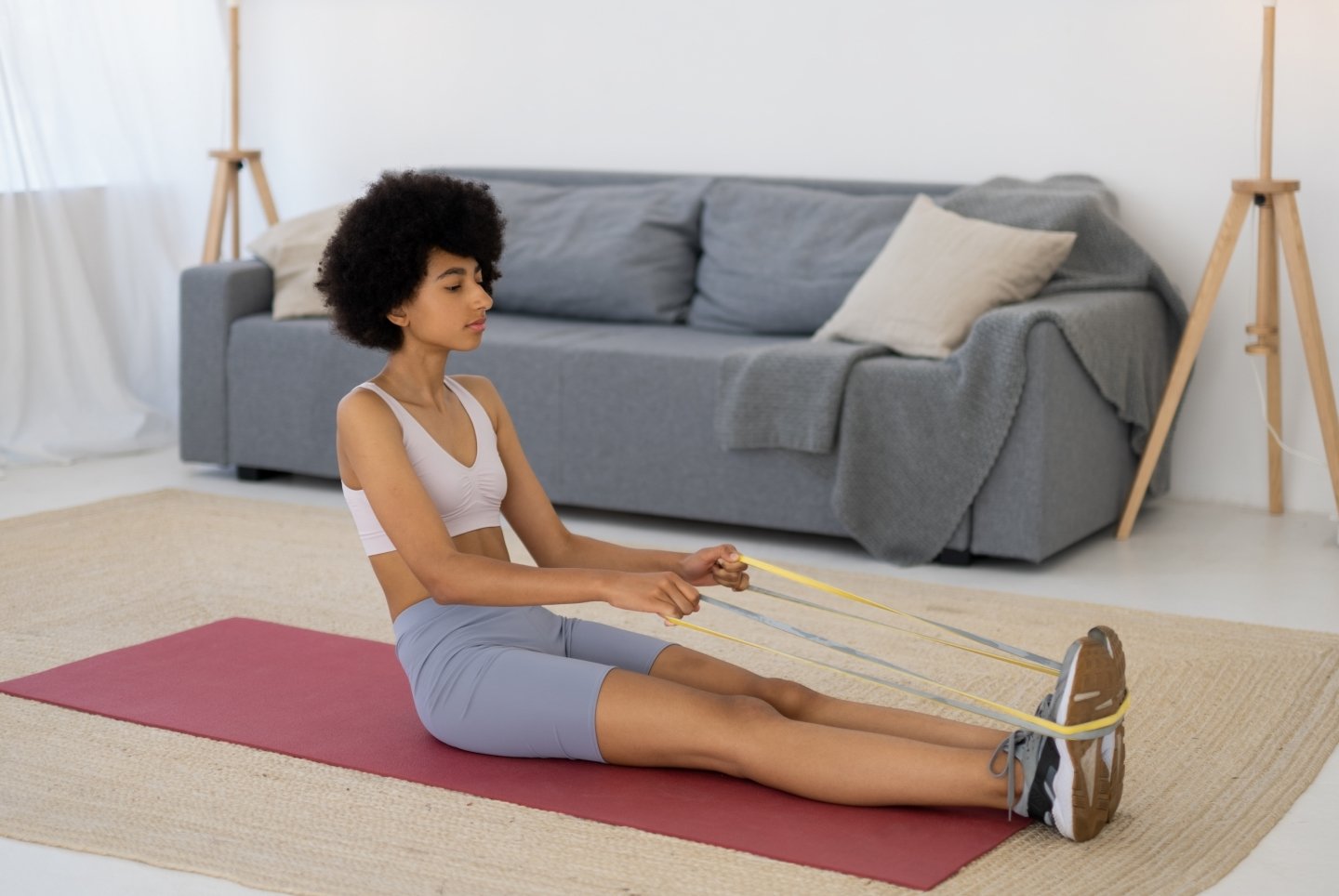
If evenings often end with mindless eating in front of a screen, this isn't about willpower — it's about giving your body an actual off-switch. This slow, grounding 30-minute practice lowers your heart rate and quiets the day's noise, so food doesn't have to do that job. Do it right before bed, lights dimmed, in whatever you're already wearing, and let your body learn: the day is done, and it's safe to stop now.

Focus isn't purely a mindset problem — it's a nervous-system state, heavily influenced by how regulated and settled your body feels in any given moment of the day. Reaching for sugar or caffeine mid-task is often less about hunger and more about a body trying to self-regulate its way back to alertness on its own. A few body-based techniques — short movement resets, breathing patterns, posture shifts — to sharpen focus without relying on food or caffeine as your only available tool

Your breath is the fastest lever you have over your nervous system — and one of the most overlooked tools in emotional eating. A few simple patterns you can use before a meal, mid-craving, or in any stressful moment, each one taking less than a minute and needing nothing but you and a quiet breath. The goal isn't to breathe the craving away through willpower, but to settle enough to feel what's underneath it, and respond to that instead of reacting completely on autopilot every single time
Return to this one daily — not because it's impressive, but because consistency does more for your nervous system than intensity ever will. A few quiet minutes teaches your body that calm is available on demand, without reaching for anything. Use it first thing in the morning, mid-afternoon, or any time the urge to eat has more to do with your nervous system than your stomach. Short, simple, worth doing especially on the days you don't feel like it.

Day one of the 7-Day Morning Flow Challenge. However the weekend went, this is a clean, judgment-free place to begin — not a punishment for it. A grounding practice to help you arrive in your own body before the to-do list takes over completely, before the noise of the day sets in. There is no need to have done yesterday practice, or to do all seven days perfectly from the very start. Start where you are, today, and let this be a small, repeatable act of daily care, not another rule to follow.

Day two of the 7-Day Morning Flow Challenge. If yesterday went well, today is about building on that momentum, not proving anything new to yourself or anyone else watching. If yesterday didn't happen at all, today is just as good a place to start fresh, with no guilt attached to it. Same grounding intention as day one, but the habit starts feeling a little more familiar — less an obligation, more something your body genuinely looks forward to each morning. Keep it simple, and just show up

Day three of the 7-Day Morning Flow Challenge — the midweek marker. Often the point where people start to notice something has actually shifted, not just in their body, but in how they're relating to stress, cravings, and food across the whole day and evening too. There's no need to force an answer, just notice what feels different from before. However the week has gone so far, Wednesday is a good place to keep going rather than start over completely. Four more days, one morning at a

Day four of the 7-Day Morning Flow Challenge — usually the day motivation naturally dips, once the novelty has worn off and the week's tiredness starts quietly adding up on you. That's exactly why this one matters most of all. The days you don't feel like showing up are the ones that actually build the habit. This steady session is doable even on low energy, so you can prove to yourself that consistency doesn't require motivation. However today goes, it still genuinely counts for

Day five of the 7-Day Morning Flow Challenge. By now the routine starts to feel less like a task, more like something your body expects — that shift is the whole point of doing this at all. This grounding session helps you close the work week from a settled place instead of a frazzled one, so the weekend doesn't start with you already running on empty. Follow the challenge in order if you're building the habit day by day.
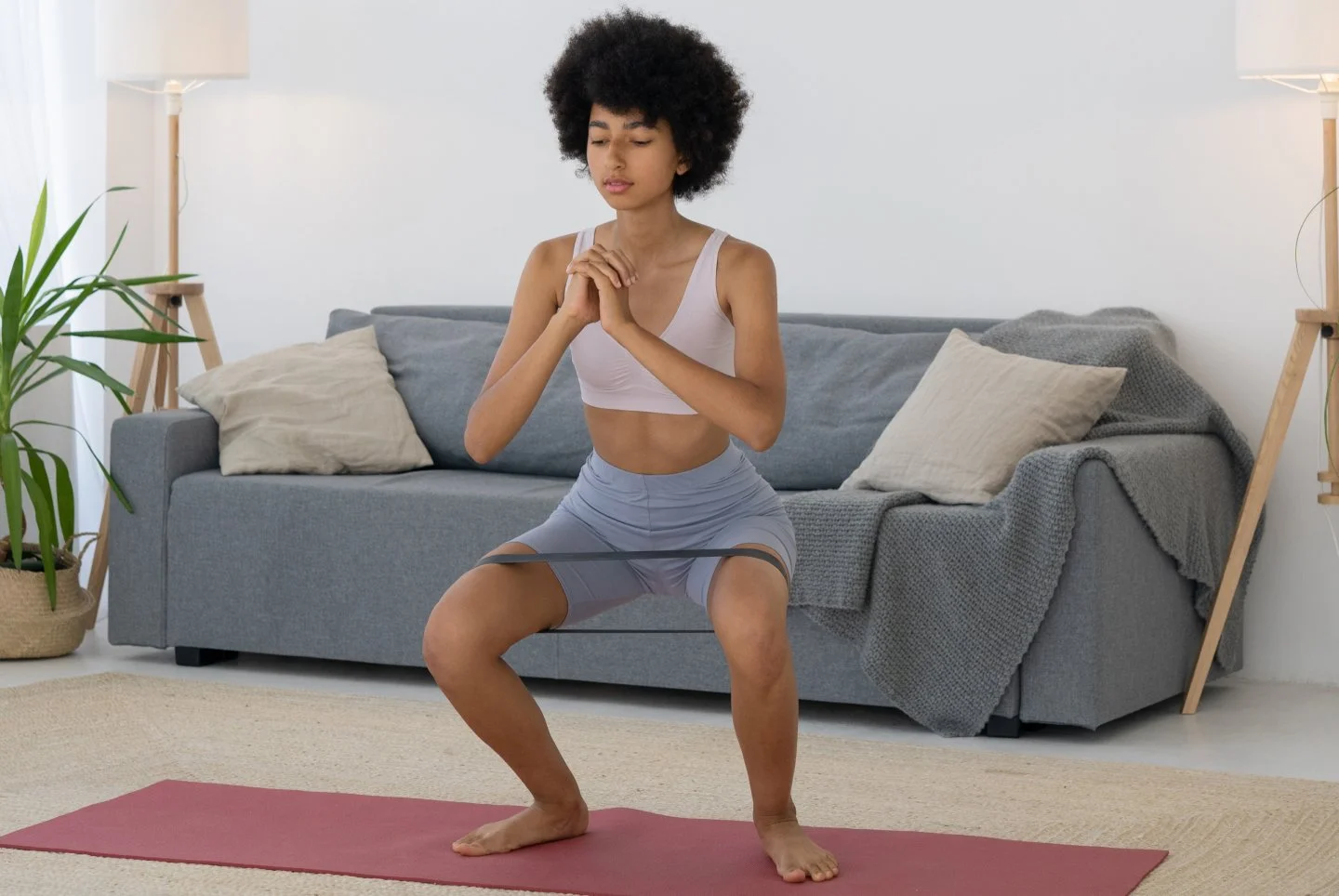
Day six of the 7-Day Morning Flow Challenge. Weekends change the routine, and that is exactly when progress can feel like it doesn't count anymore for a lot of people trying to build a brand new habit from scratch, one day at a time. This softer practice still grounds you first thing, without demanding the same rigid timing as a weekday morning. Food freedom shouldn't depend on a perfect schedule — it needs to hold up in real life, including the unpredictable days, not just the easy ones.

Day seven of the 7-Day Morning Flow Challenge. A gentle close to the week — a chance to notice how the last seven days actually felt, in your body and around food, without turning any of it into a verdict on how well you did this time around, or how you'll do next week. If you followed the challenge all seven days, well done, not because you were perfect, but because you consistently showed up. If you're only just joining here, that's completely fine too — Monday is another clean place to